Project 1.1.8: Party Lights
| Description | This project shows how to make four LEDs turn on and off one after the other using an Arduino Uno. It introduces simple light sequencing and timing. |
|---|---|
| Use case | This project can be used to create decorative lighting effects, such as party lights that turn on and off in a pattern. |
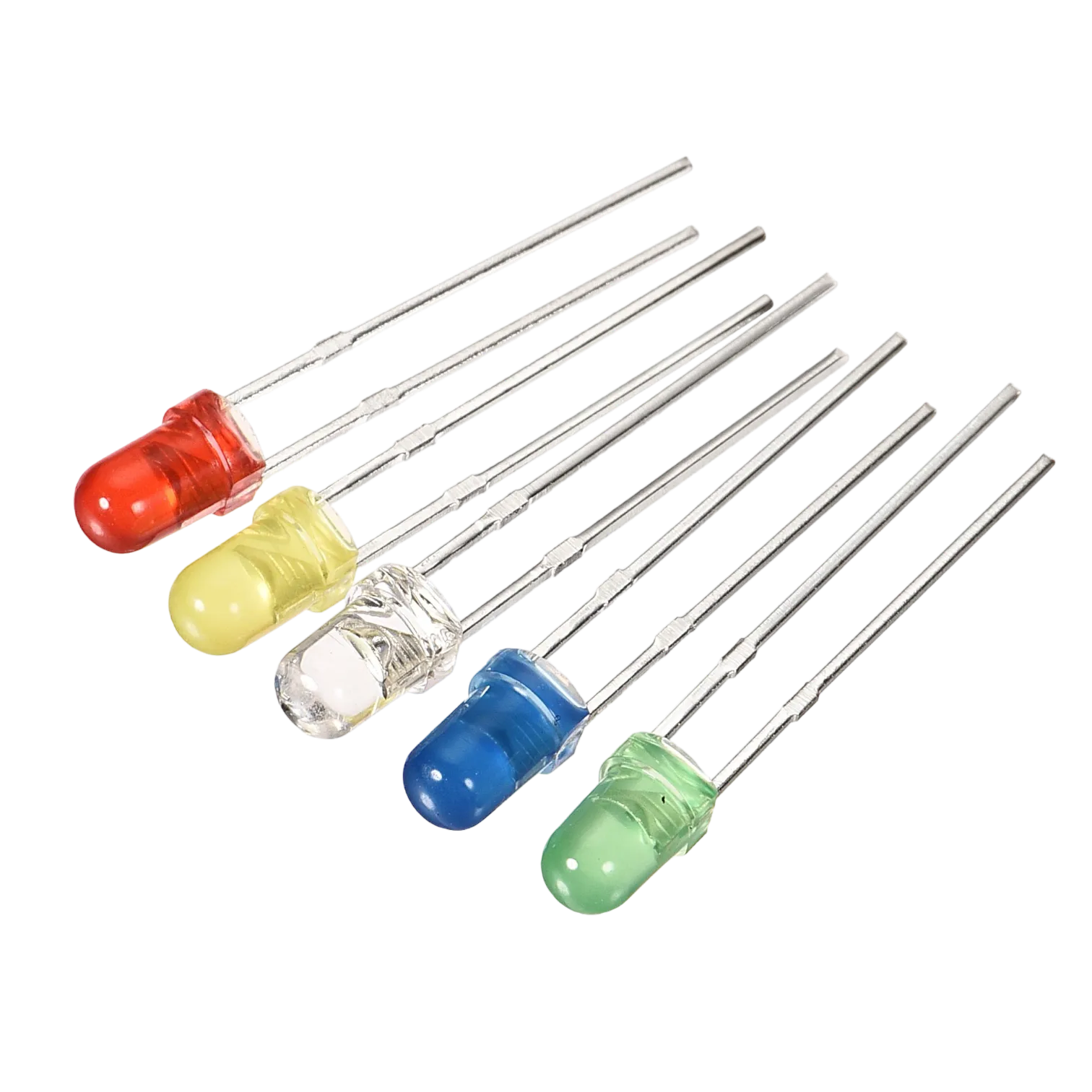
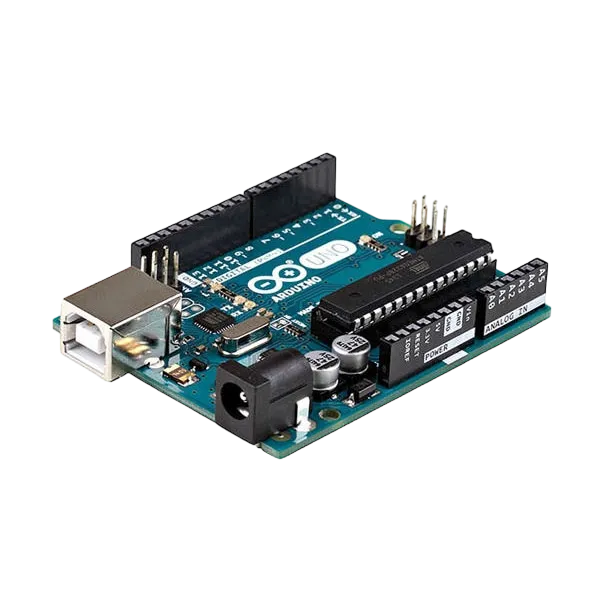
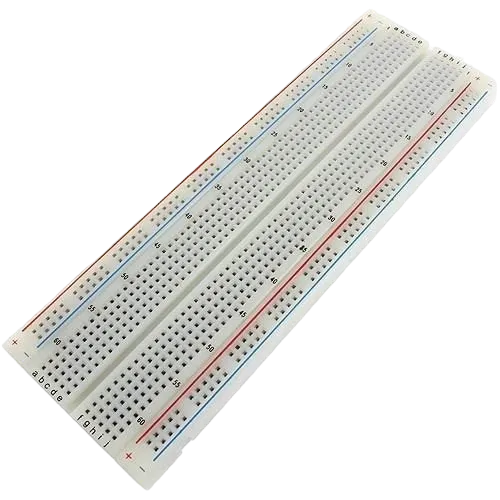
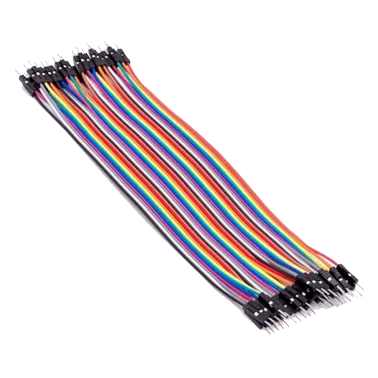
Components (Things You will need)
 |
 |
 |
 |
 |
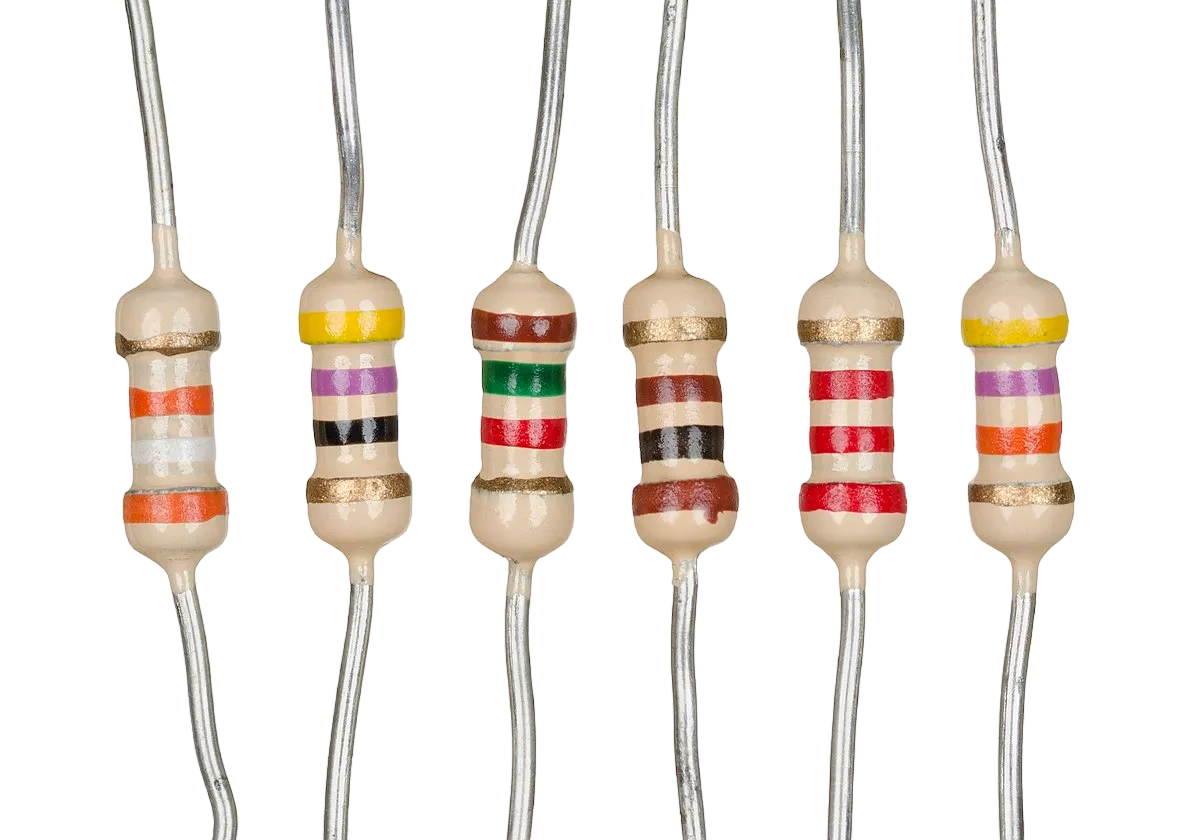 |
|---|---|---|---|---|---|
Building the circuit
Things Needed:
- Arduino Uno = 1
- Arduino USB cable = 1
- LEDs = 4
- Jumper wires
- Resistor = 4
Mounting the component on the breadboard
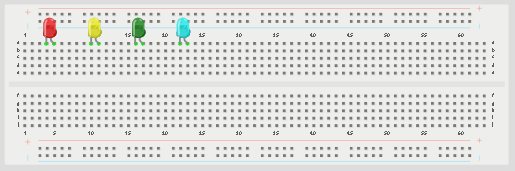
Step 1: Place the four LEDs on the breadboard. For each LED, the longer leg is the positive pin, while the shorter leg is the negative pin.
 .
.
NB: Make sure you identify where the positive pin (+) and the negative pin (-) is connected to on the breadboard. The longer pin of the LED is the positive pin and the shorter one, the negative PIN.
WIRING THE CIRCUIT
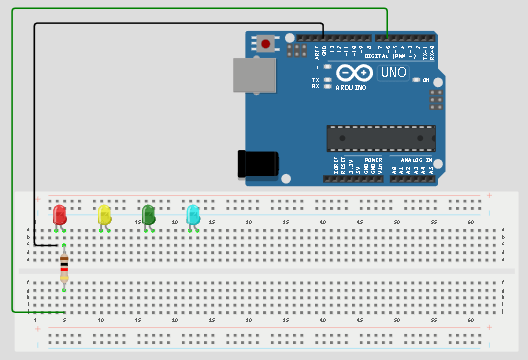
Step 2: Connect the positive leg of the first LED to pin 6 on the Arduino through a 220Ω resistor. Connect its negative leg to GND.
 .
.
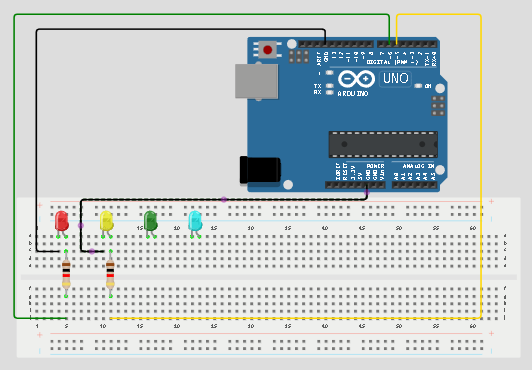
Step 3: Connect the positive leg of the second LED to pin 5 on the Arduino through a 220Ω resistor. Connect its negative leg to GND.
 .
.
Step 4: Connect the positive leg of the third LED to pin 4 on the Arduino through a 220Ω resistor. Connect its negative leg to GND.
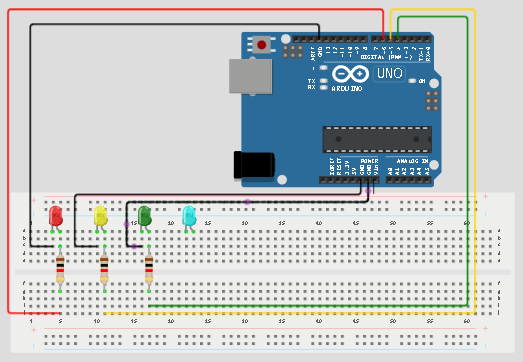 .
.
Step 5: Connect the positive leg of the fourth LED to pin 3 on the Arduino through a 220Ω resistor. Connect its negative leg to GND.
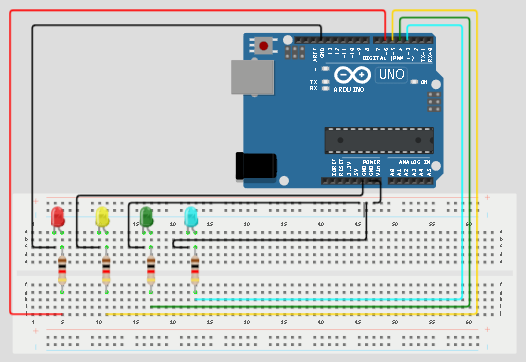 .
.
make sure you connect the arduino usb use blue cable to the Arduino board.
PROGRAMMING
Step 1: Open your Arduino IDE. See how to set up here: Getting Started.
Step 2: Type the following codes in the void setup function as shown in the image below.
pinMode(6, OUTPUT);
pinMode(5, OUTPUT);
pinMode(4, OUTPUT);
pinMode(3, OUTPUT);
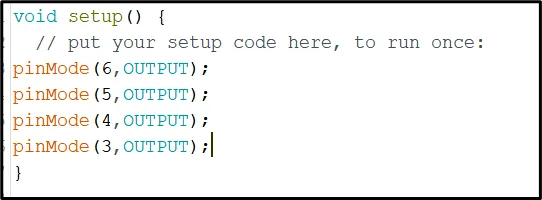 .
.
NB: pinMode will help the Arduino board to decide which port should be activated. The code below will turn off the three light bulbs.
Step 3: Type the following codes in the void loop() function.as shown in the image below;
digitalWrite(6, HIGH); delay(1000); digitalWrite(6, LOW); delay(1000);
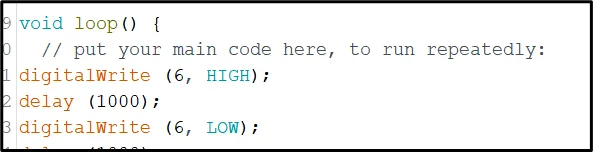 .
.
Step 4: let continue by ting the following codes;
digitalWrite(5, HIGH); delay(1000); digitalWrite(5, LOW); delay(1000);
 .
.
Step 5: let continue by ting the following codes;
digitalWrite(4, HIGH); delay(1000); digitalWrite(4, LOW); delay(1000);
 .
.
Step 6: let finish up by typing the following codes;
digitalWrite(3, HIGH); delay(1000); digitalWrite(3, LOW); delay(1000);
 .
.
Step 7: Save your code. See the Getting Started section
Step 8: Select the arduino board and port See the Getting Started section:Selecting Arduino Board Type and Uploading your code.
Step 9: Upload your code. See the Getting Started section:Selecting Arduino Board Type and Uploading your code
CONCLUSION
This project helps learners understand how to control four LEDs in a sequence using Arduino. It is a simple introduction to decorative lighting, timing, and multiple output control.